RESIDENCE

Research Project

April 2024

RESIDENCE

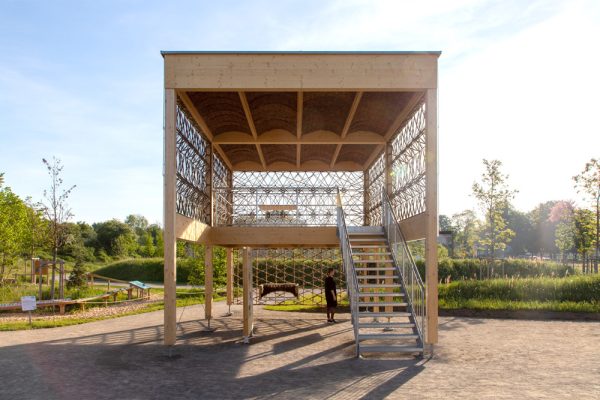
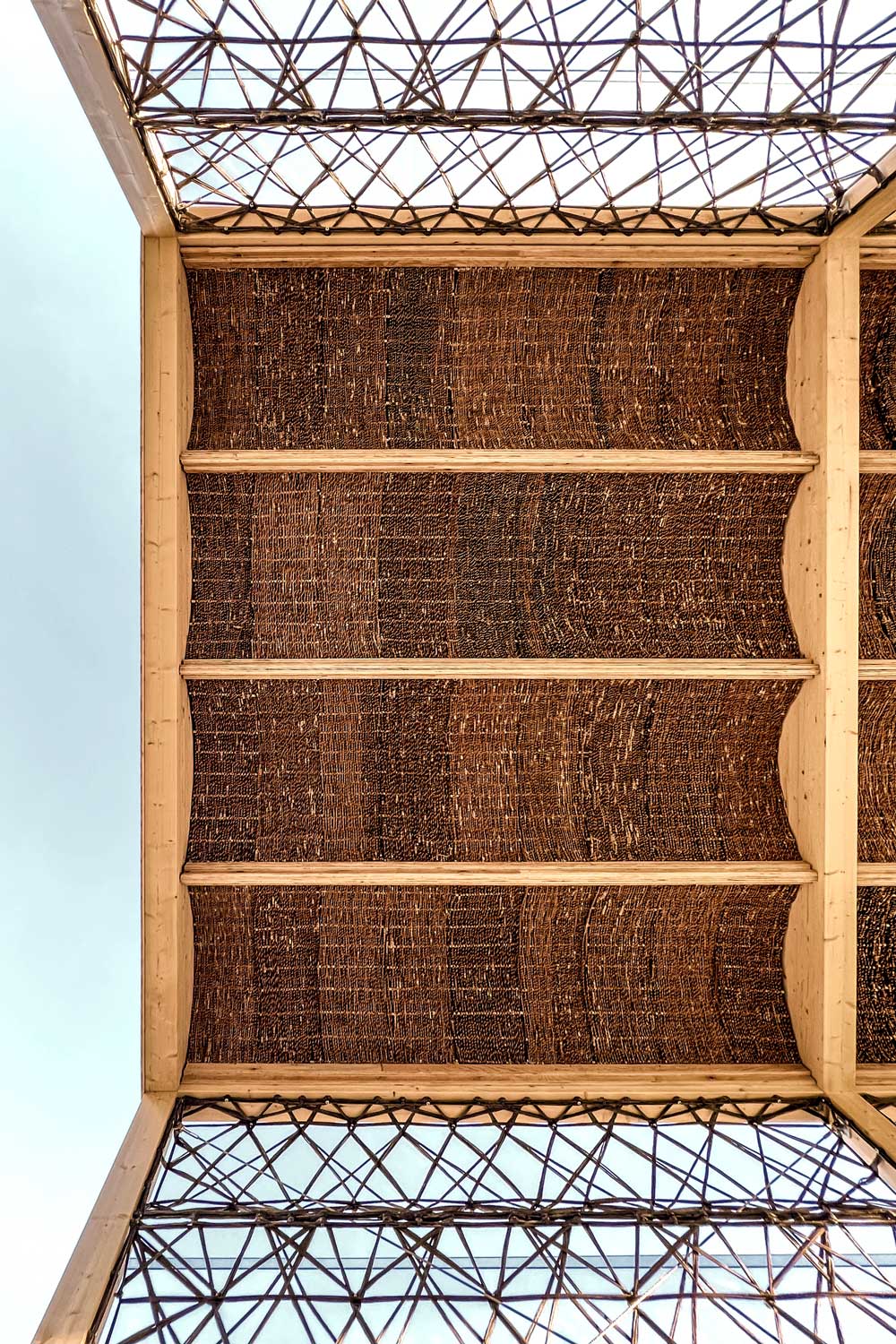
Residence is a research project focused on the development of a low-carbon construction system based on natural materials and digitally driven fabrication processes.
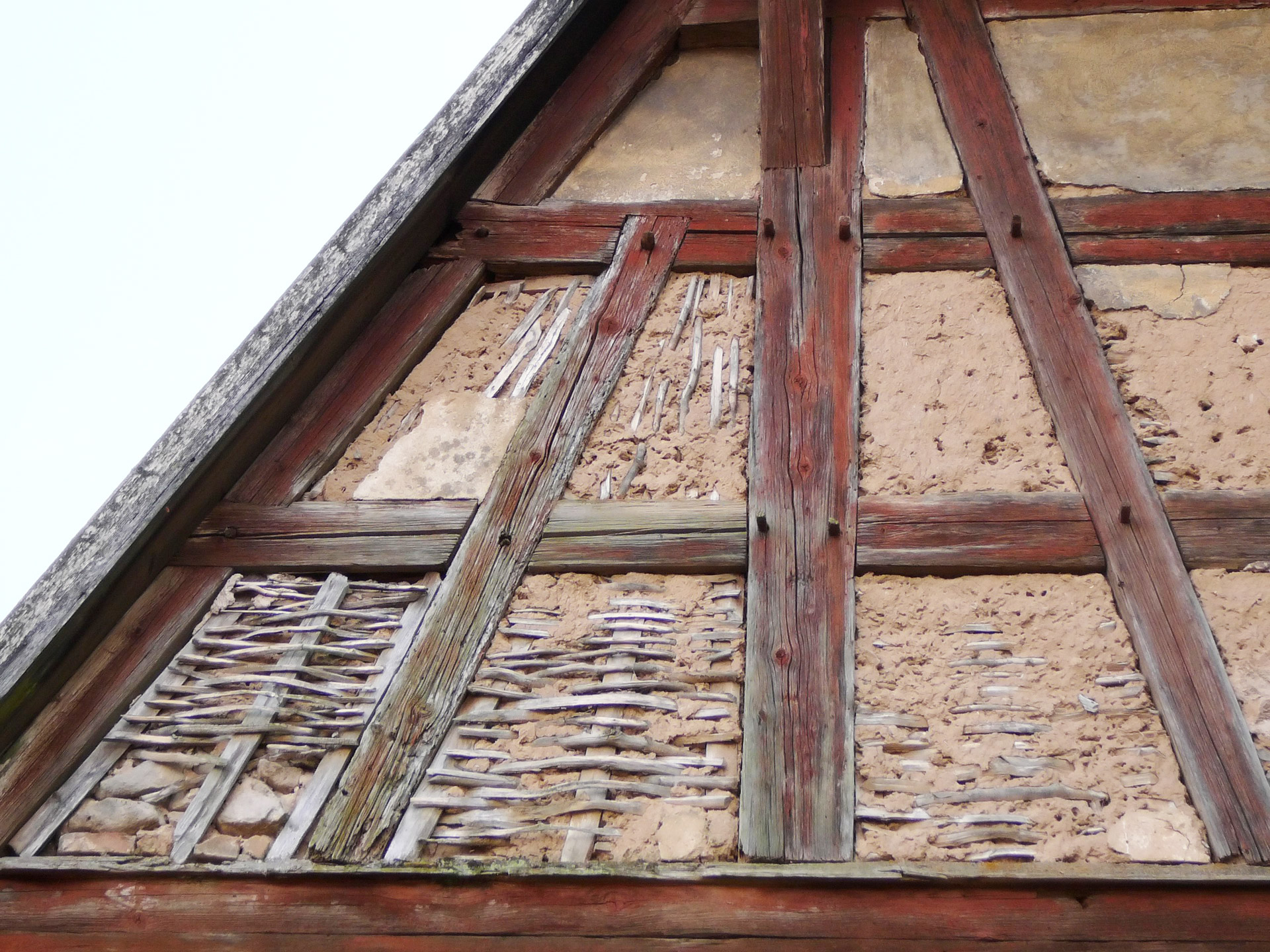
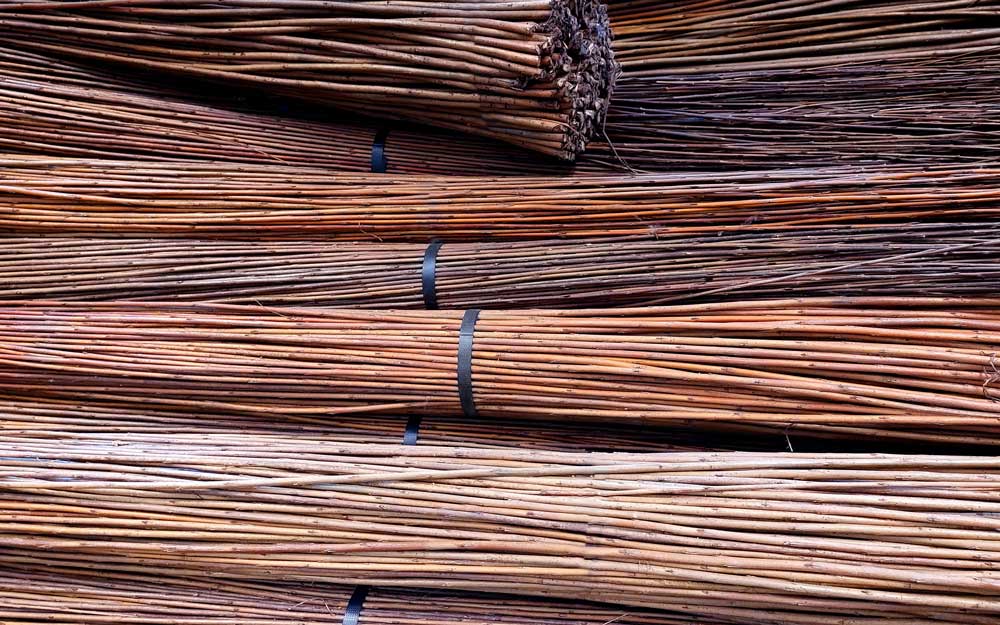
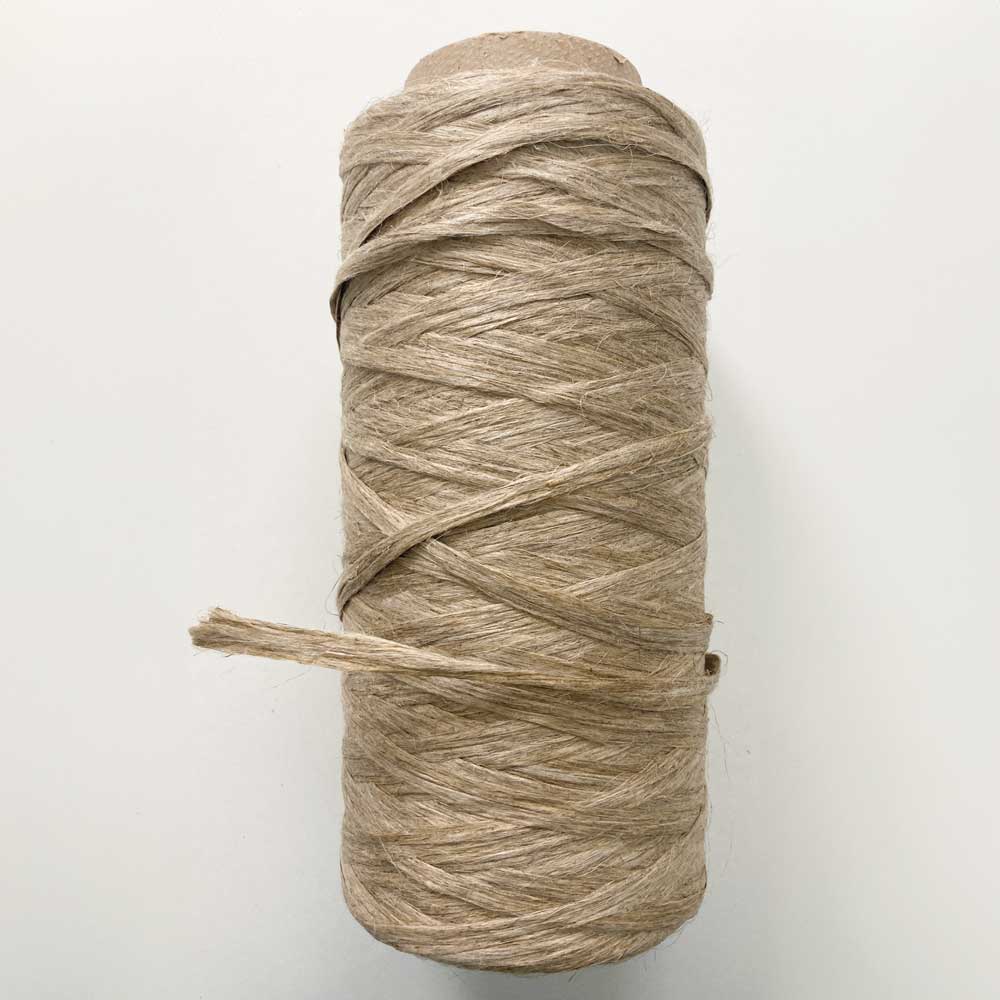
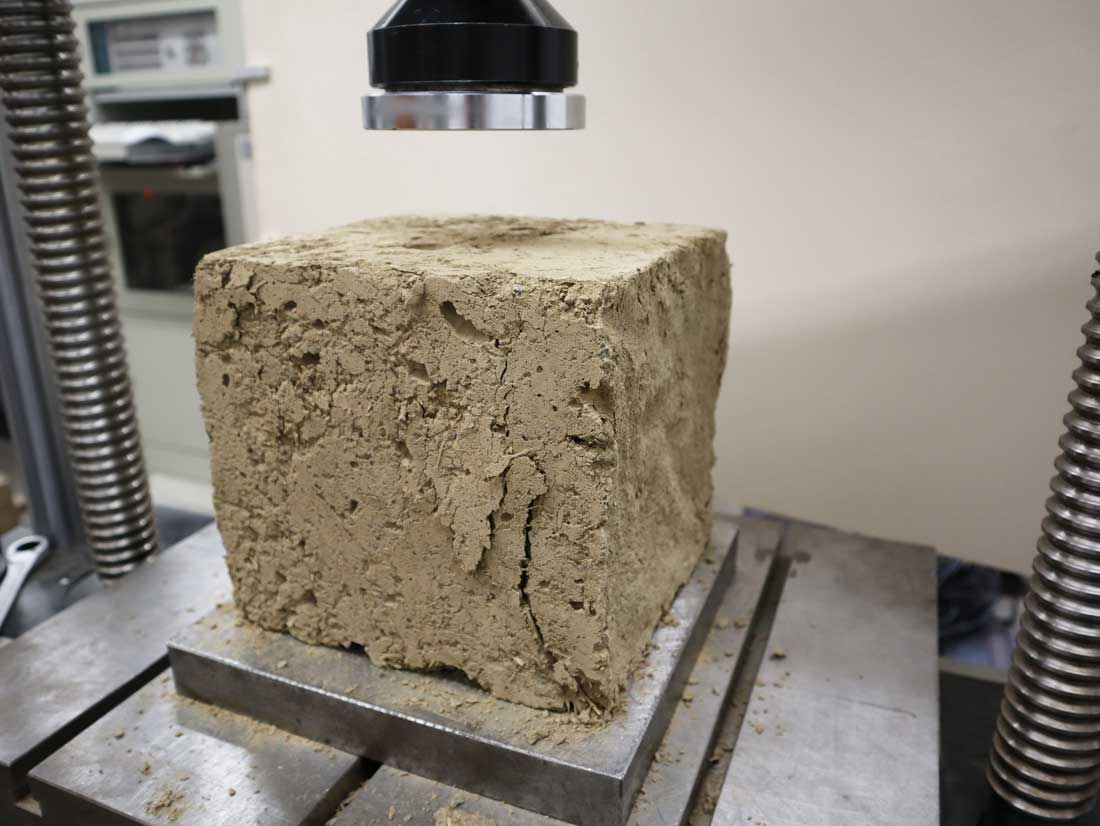
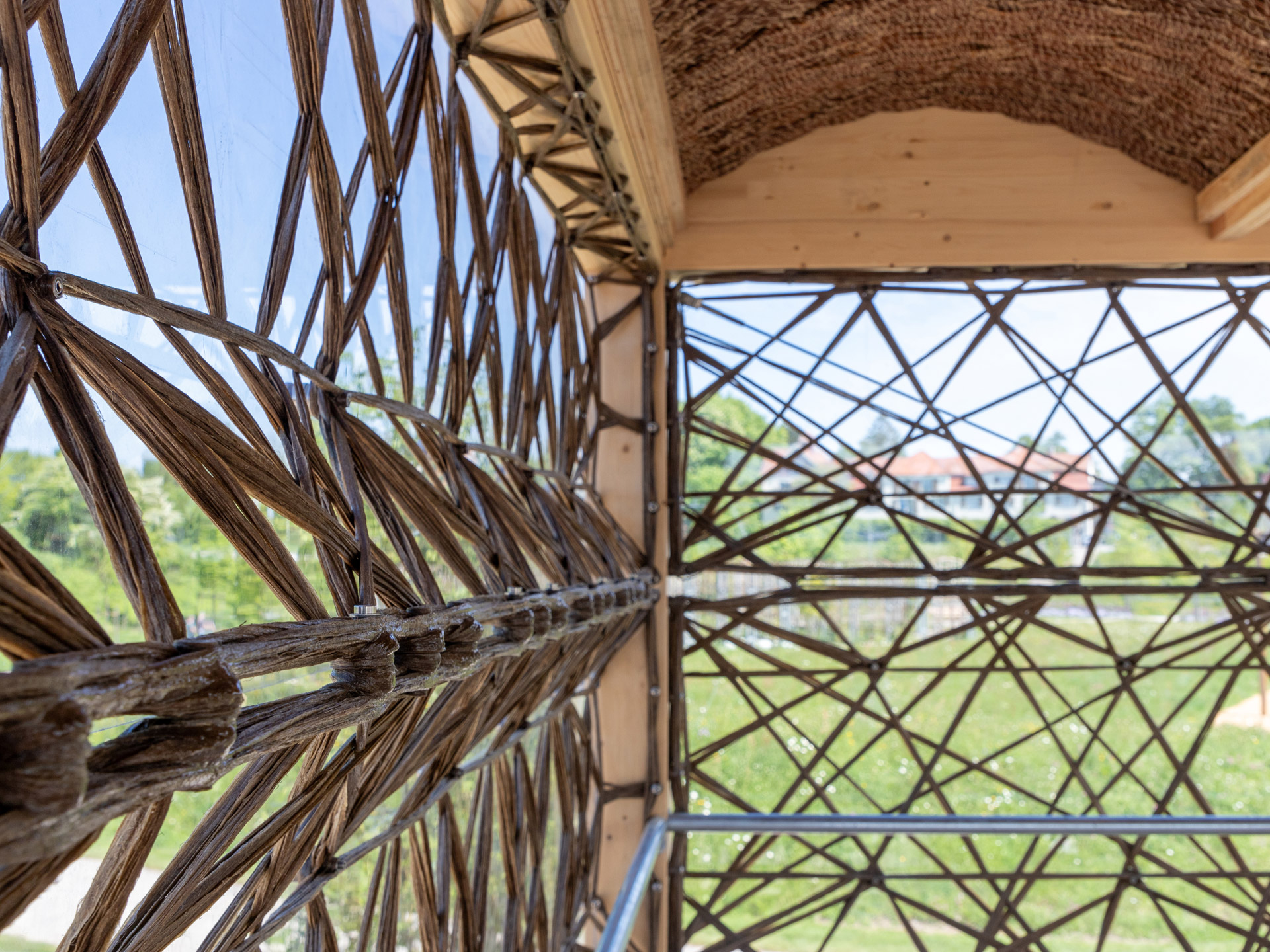
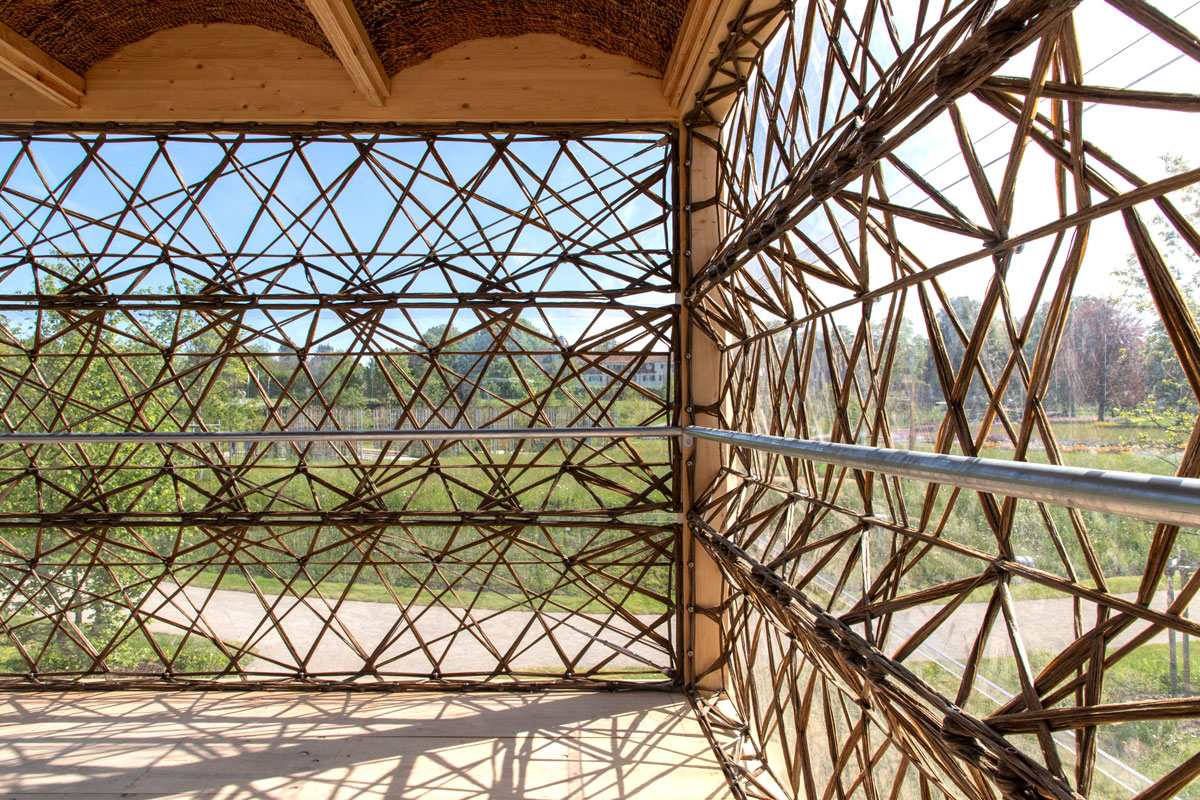
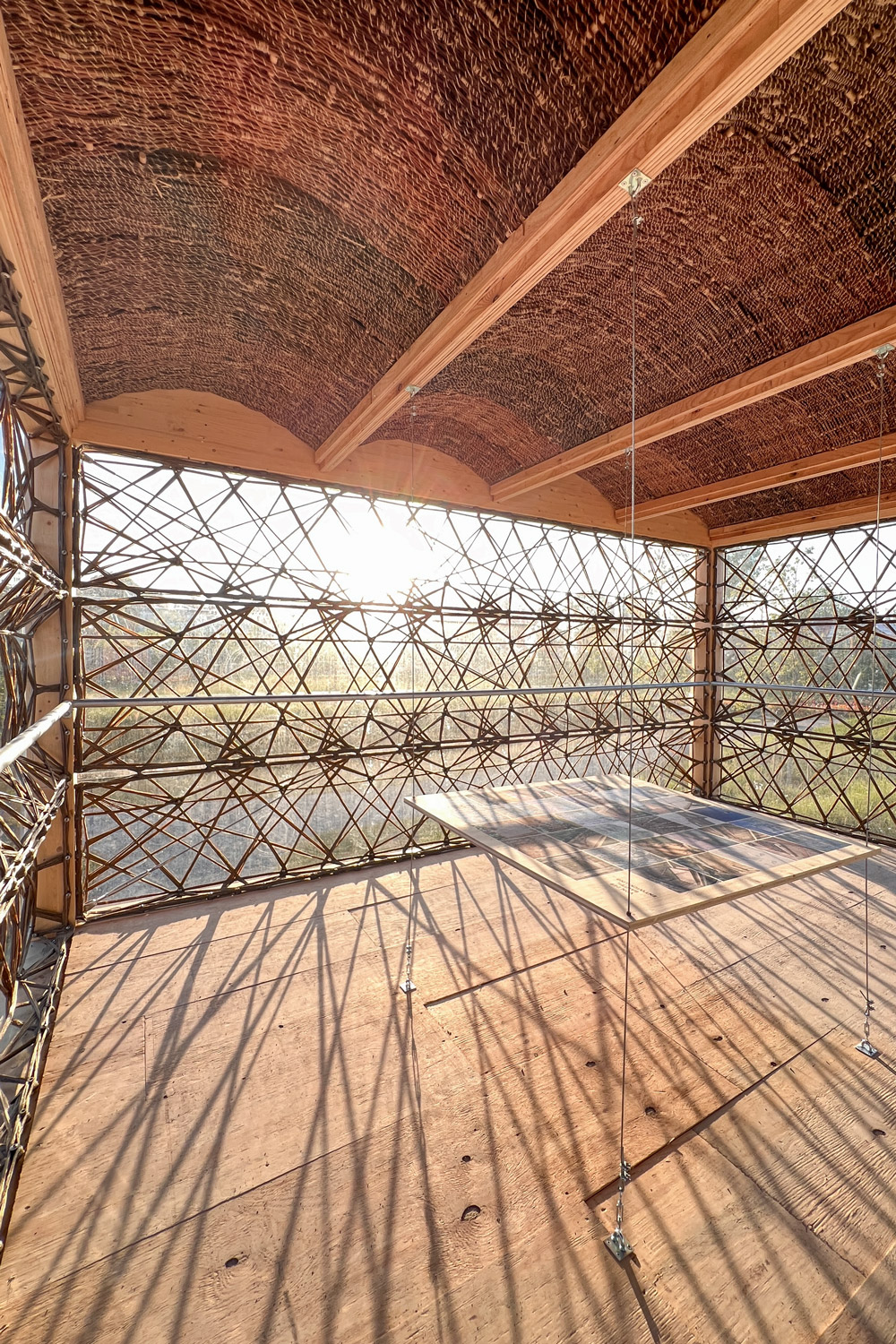
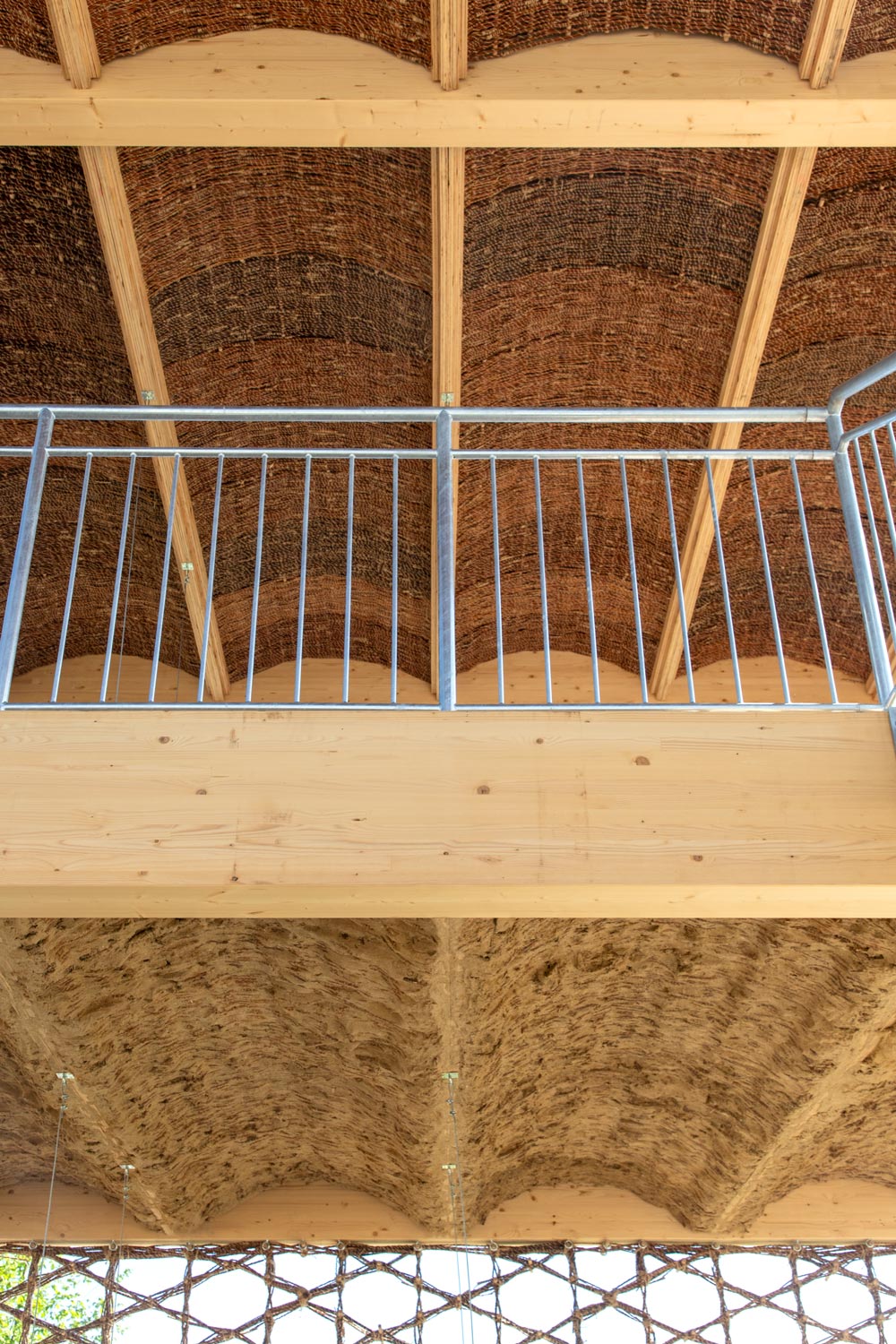
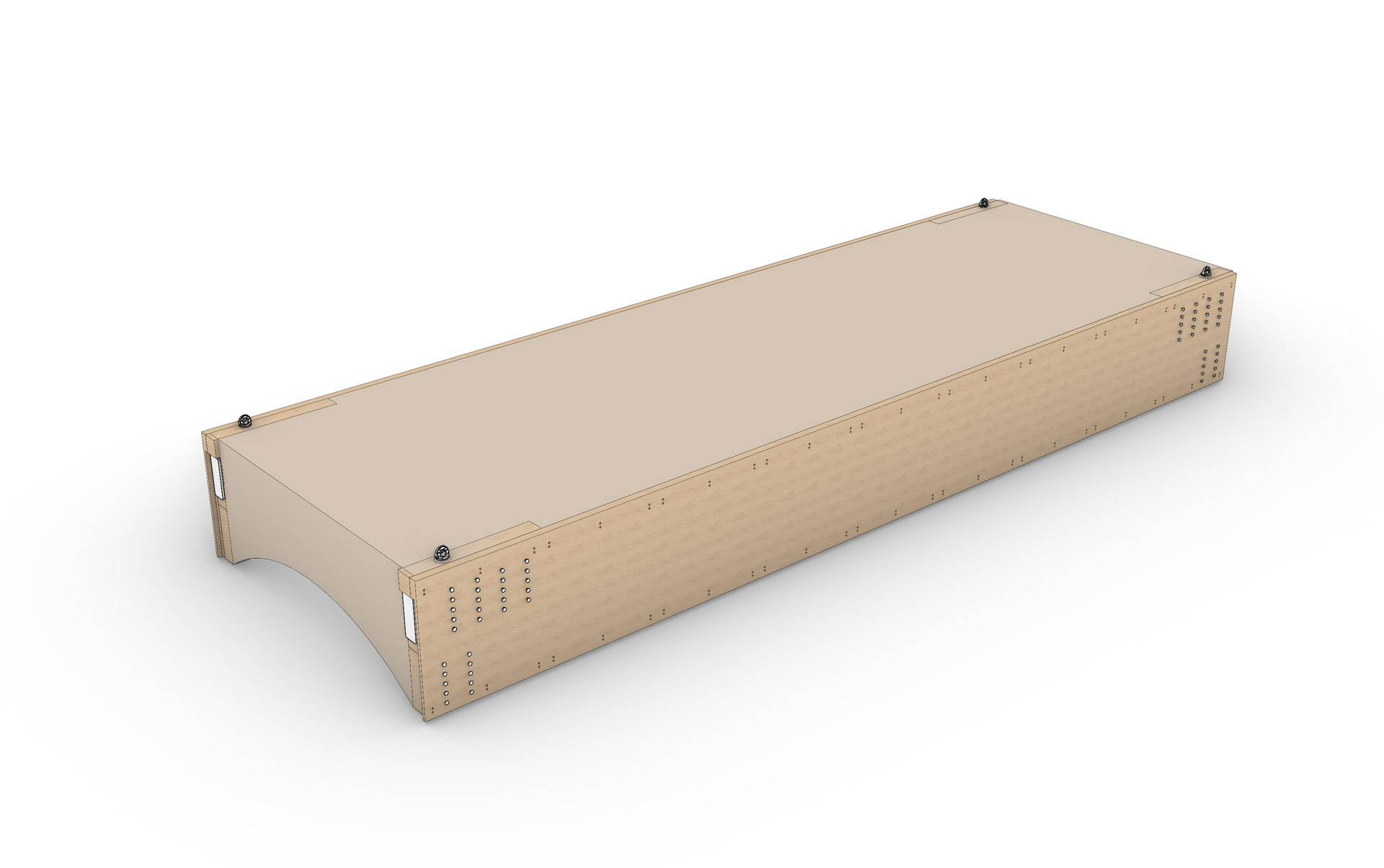
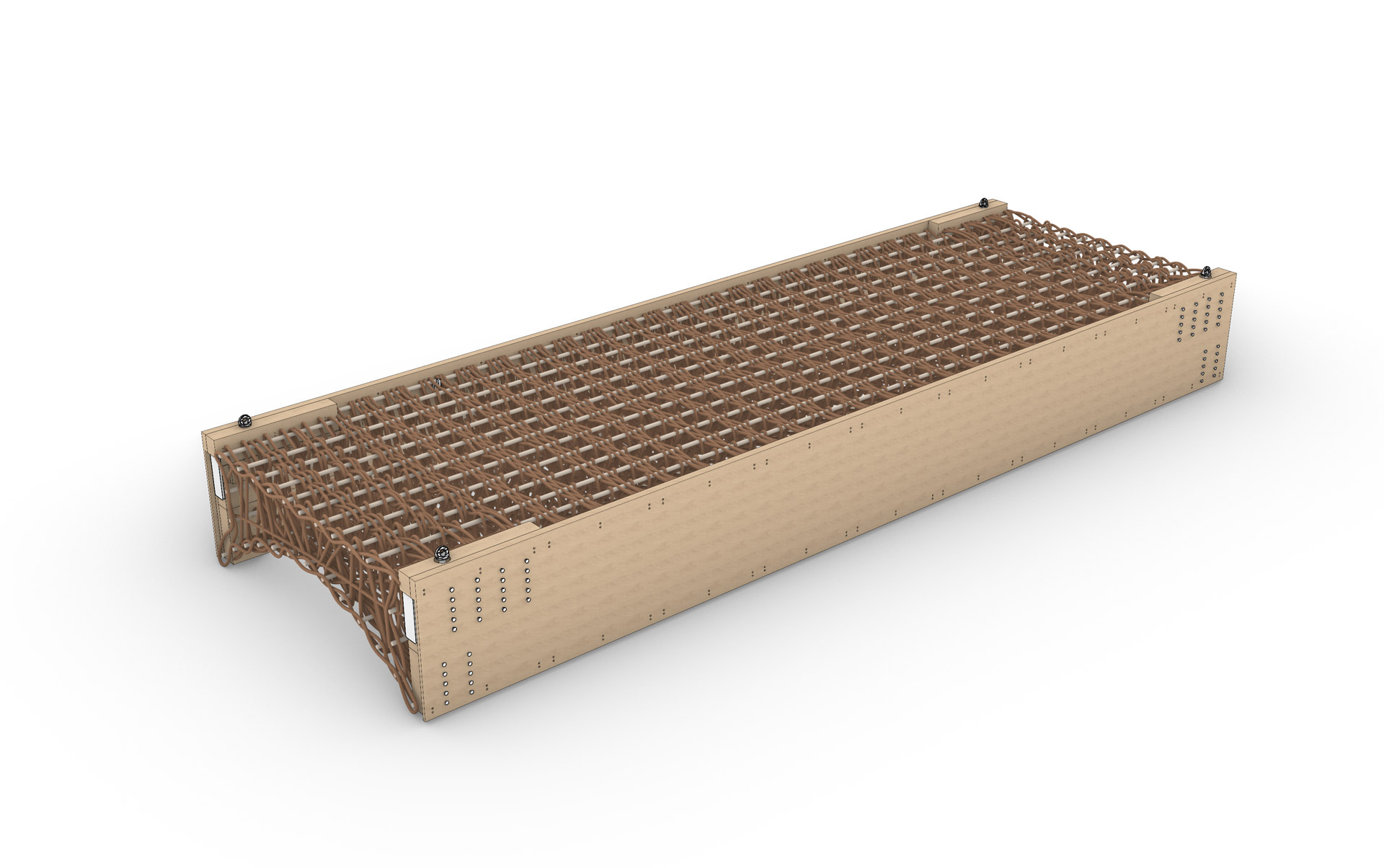
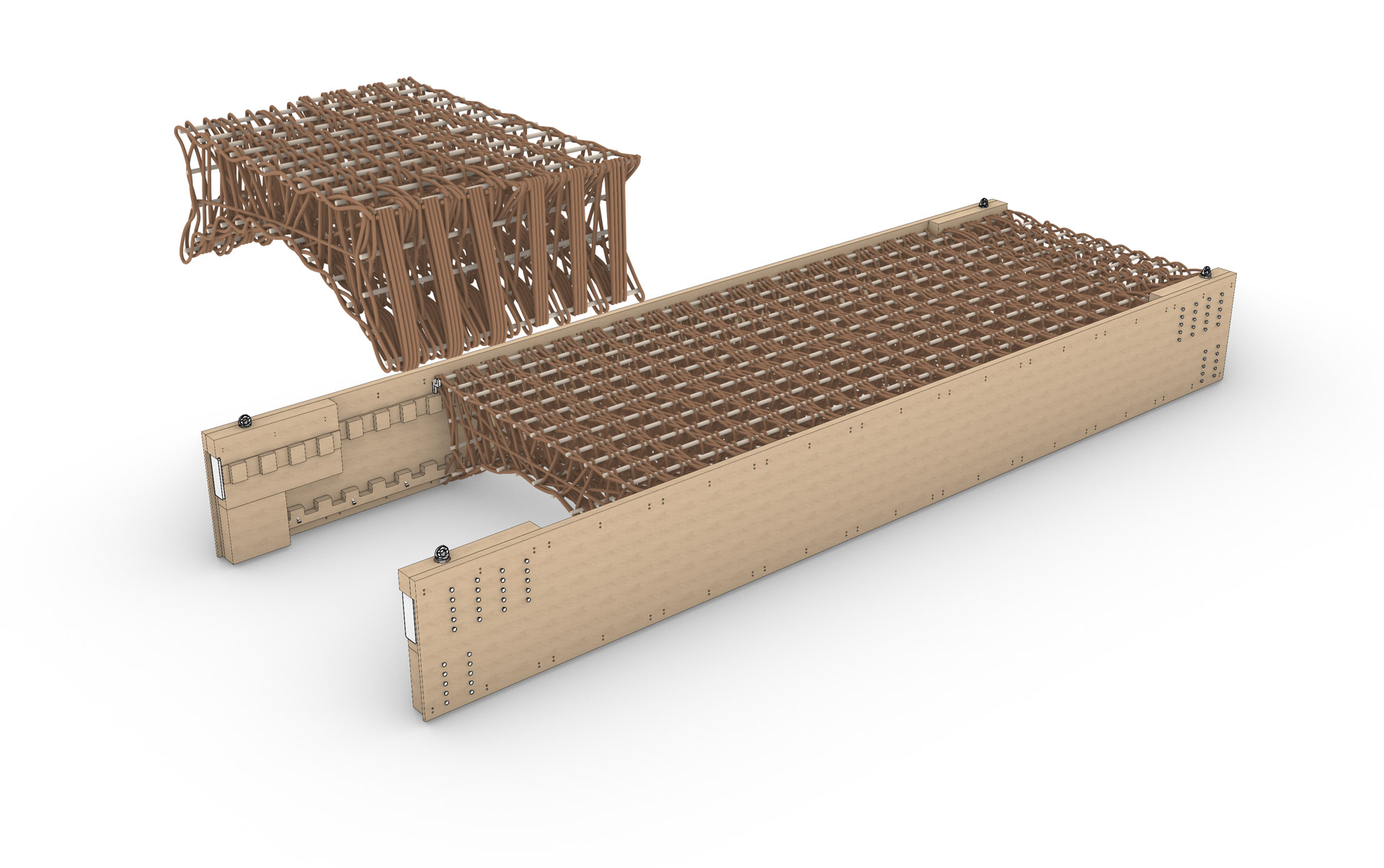
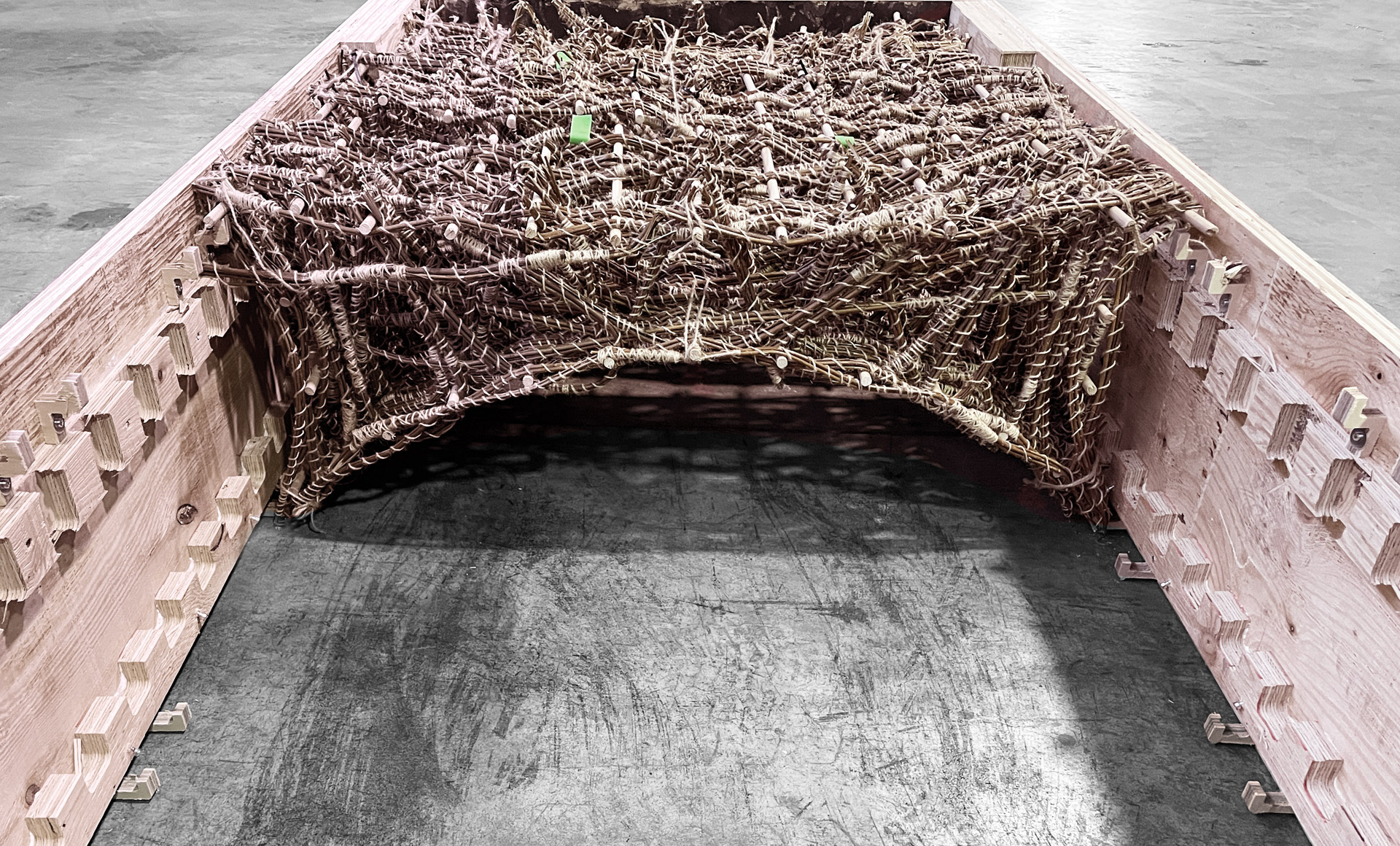
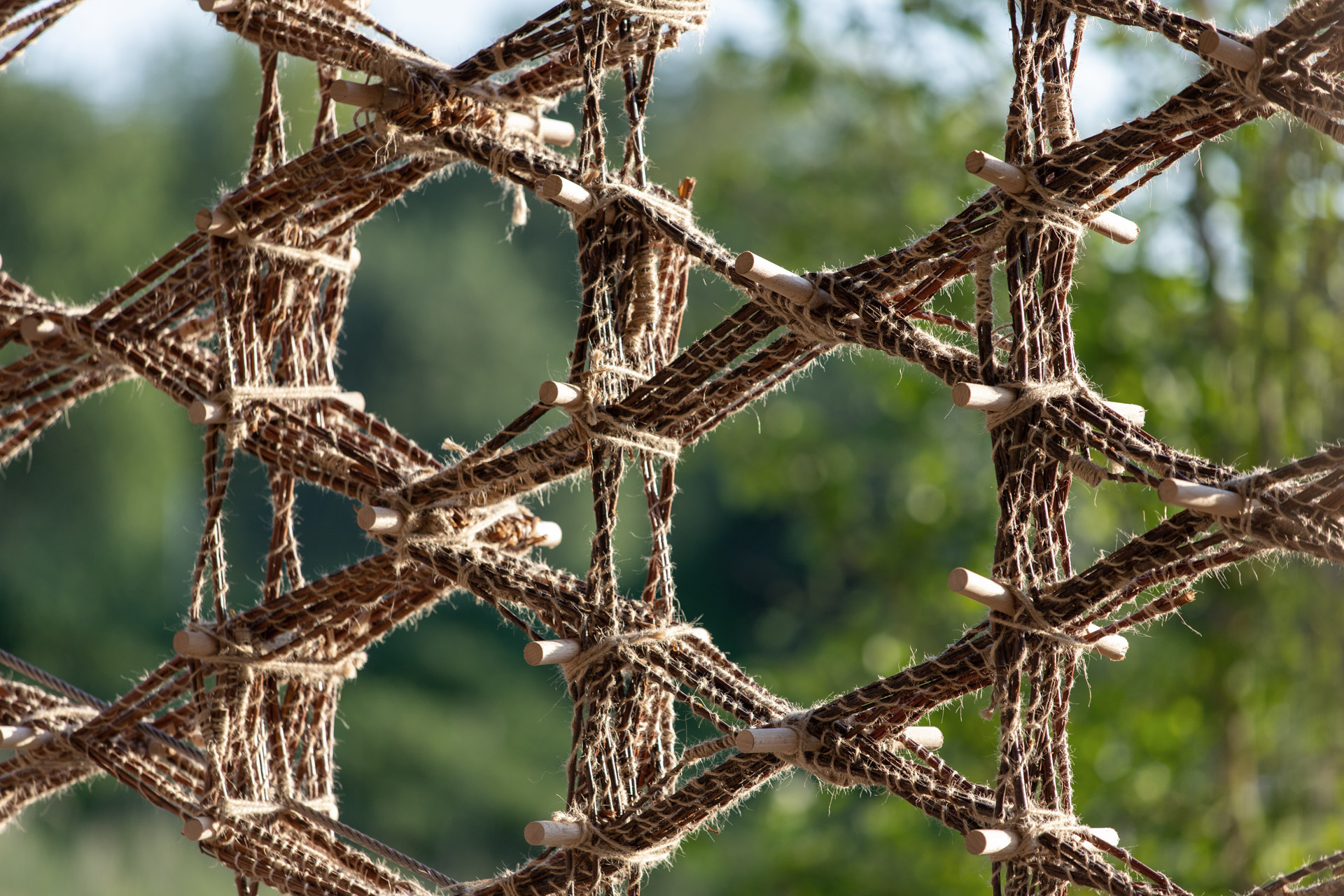
The project investigates the combination of willow, jute, and earth with computational design, algorithms, and automation to produce prefabricated building elements with significantly reduced environmental impact. The research aims to bridge material-based construction traditions with contemporary digital fabrication workflows, exploring how natural fibres and earth-based materials can be structurally and logistically integrated into scalable building systems.The primary outcome of the project is the development of prefabricated slab elements, conceived as modular components that combine material efficiency, structural performance, and compatibility with standard construction practices.

Role

-Principal researcher

Construction System and Assembly Logic

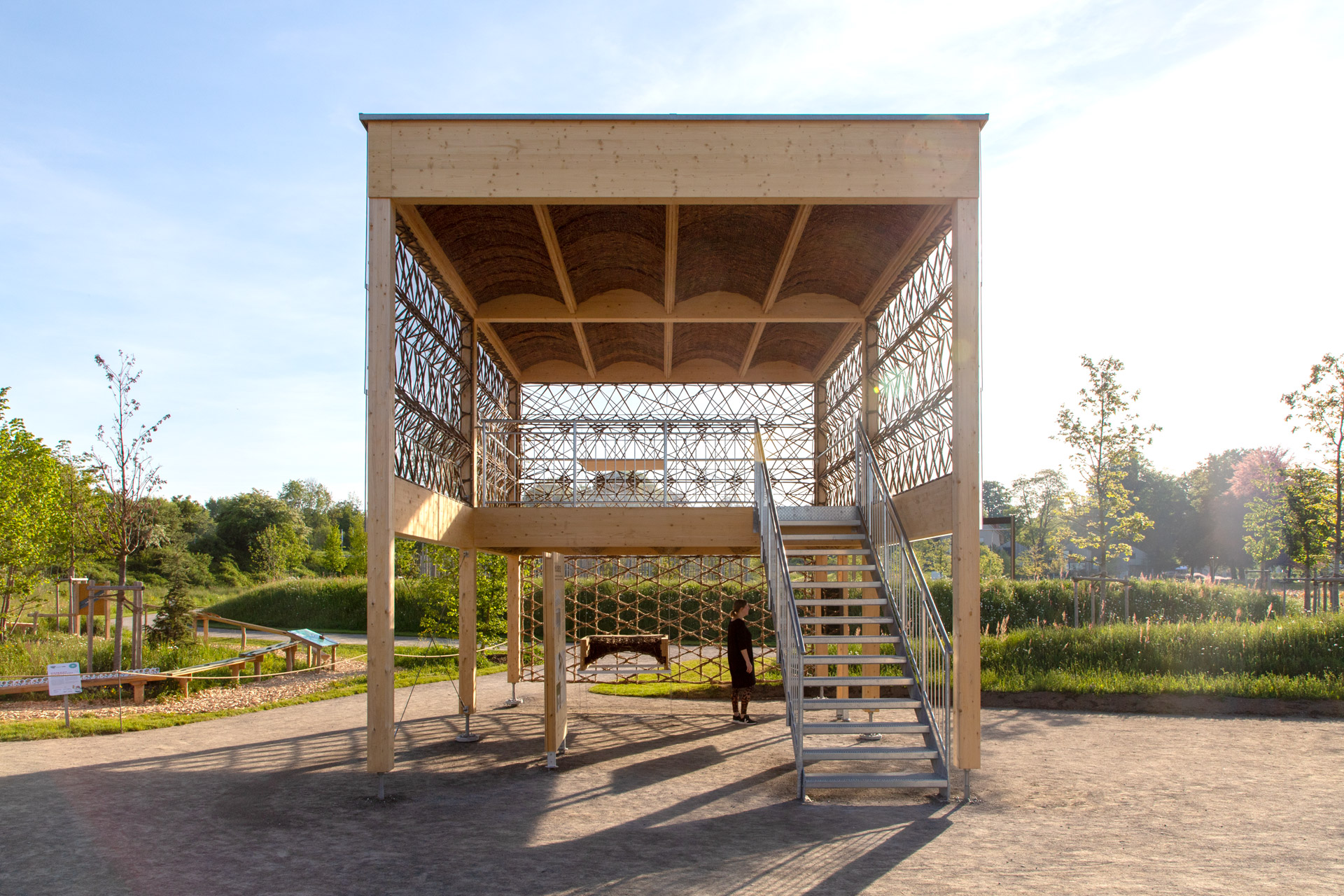
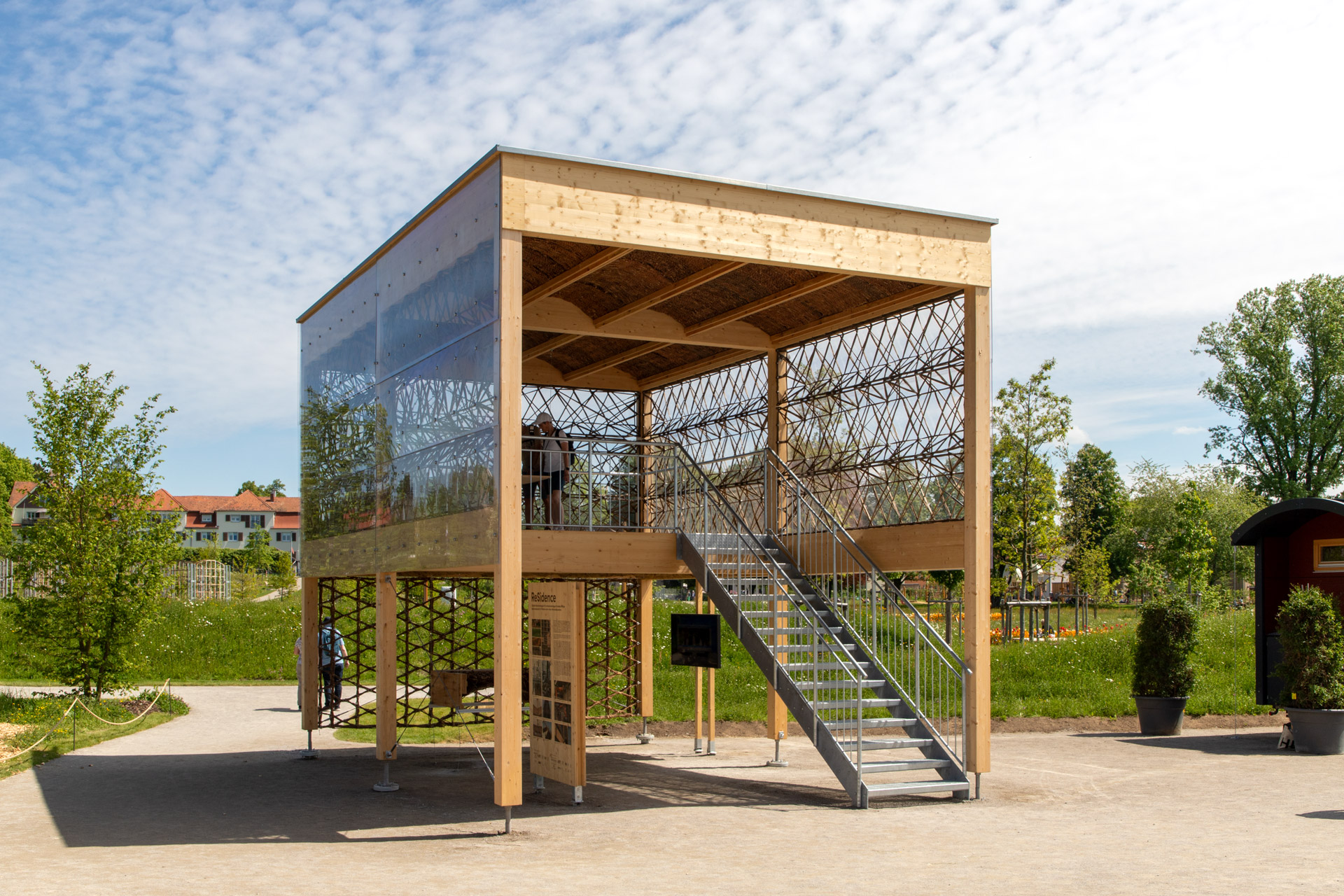
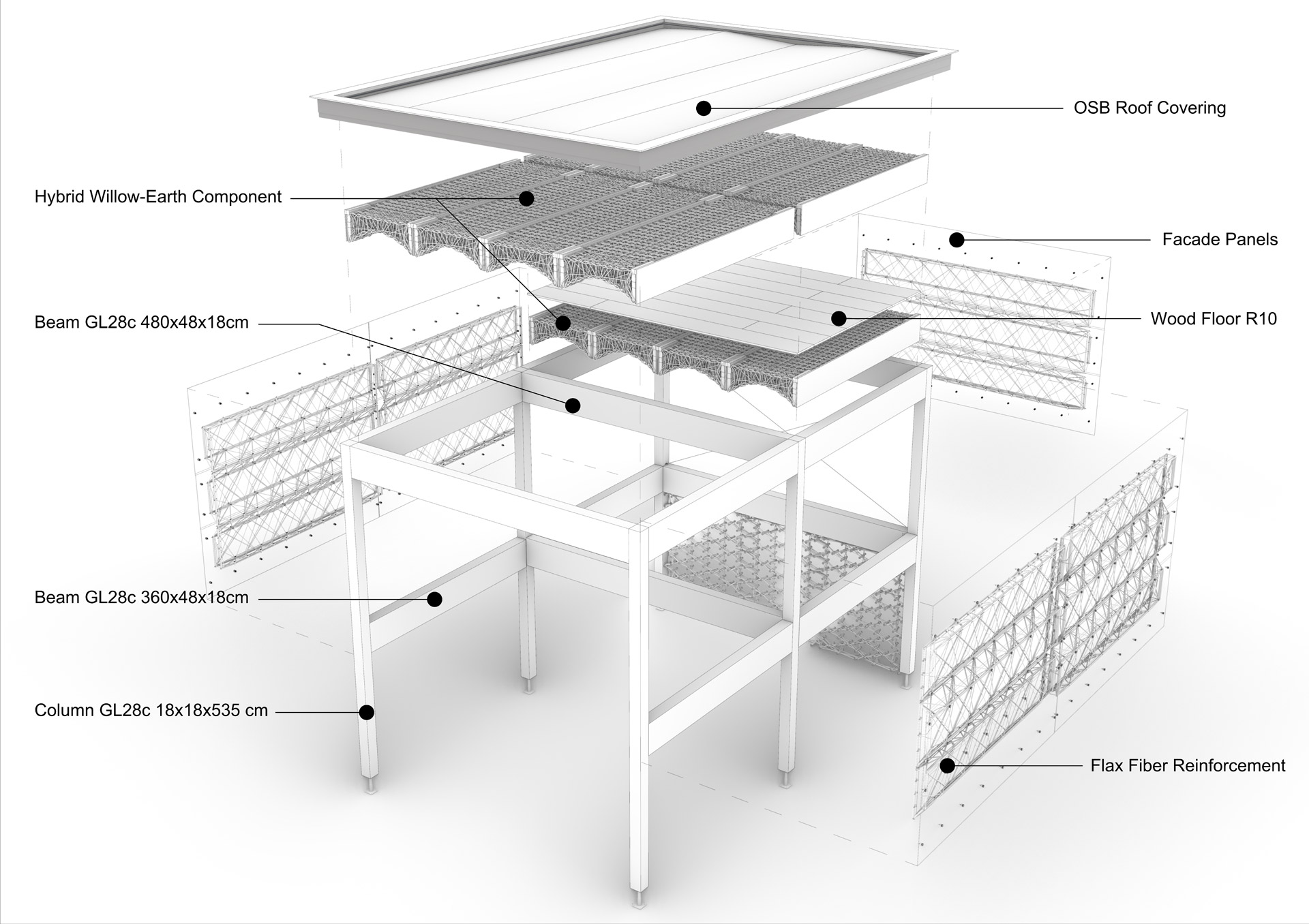
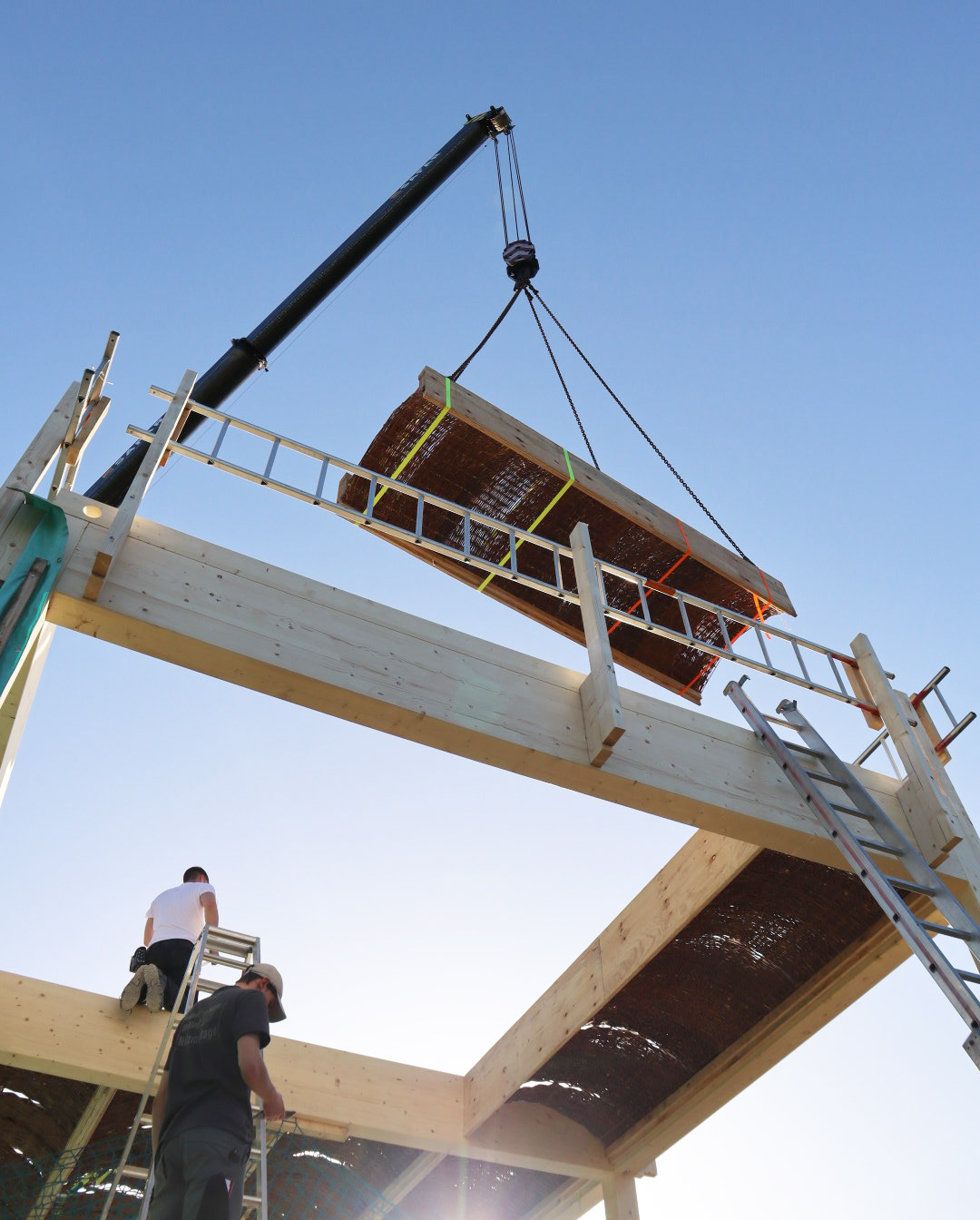
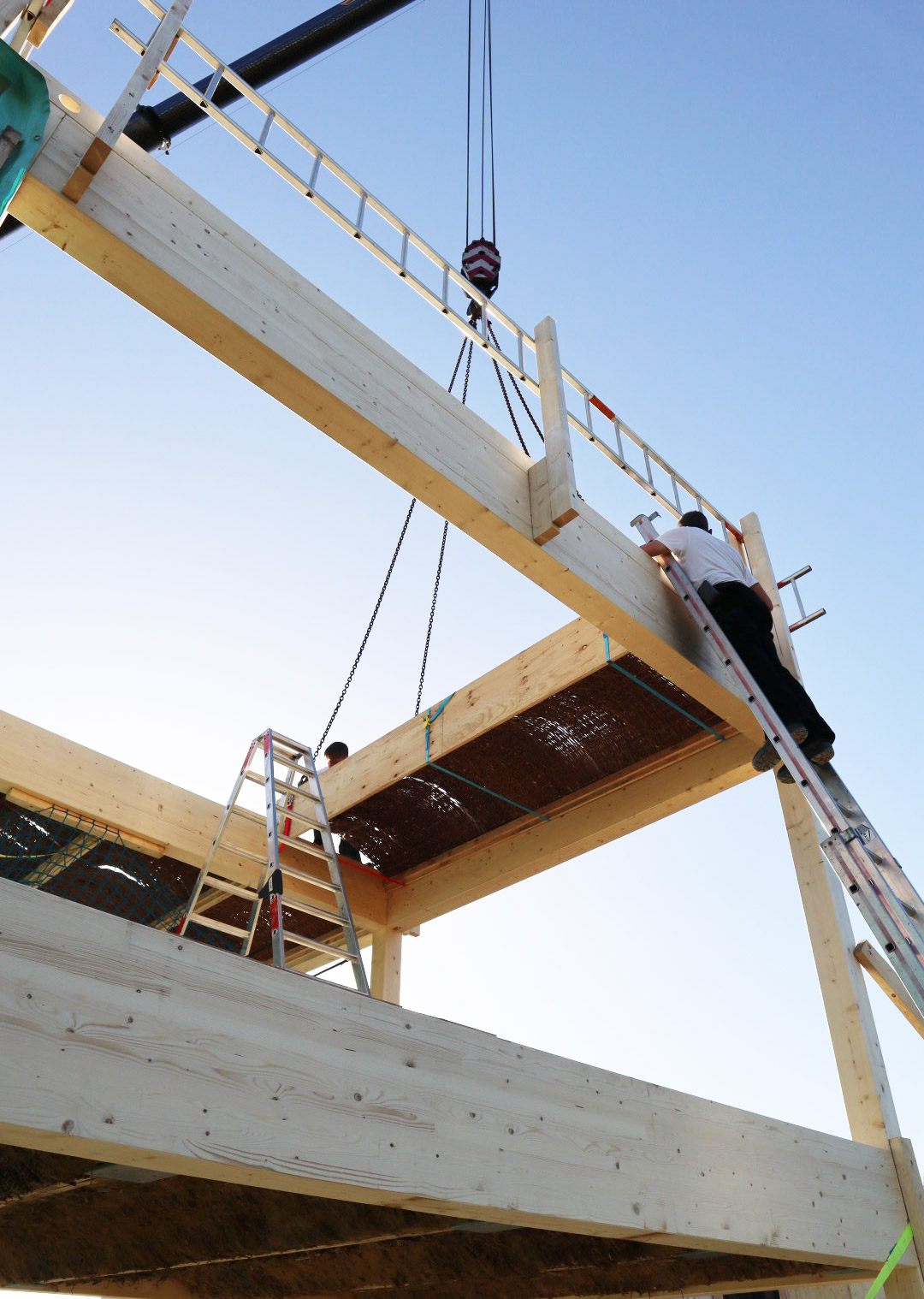
The construction system follows a prefabricated assembly logic, in which the developed slab modules are integrated into a supporting timber structure. Standardized timber construction principles are employed for the assembly process, ensuring compatibility with existing building practices and facilitating straightforward on-site installation. This approach allows the experimental slab elements to be combined with conventional wood construction systems, reducing complexity during assembly while maintaining a clear separation between innovative material systems and established structural logic.

Digital Fabrication and Automation

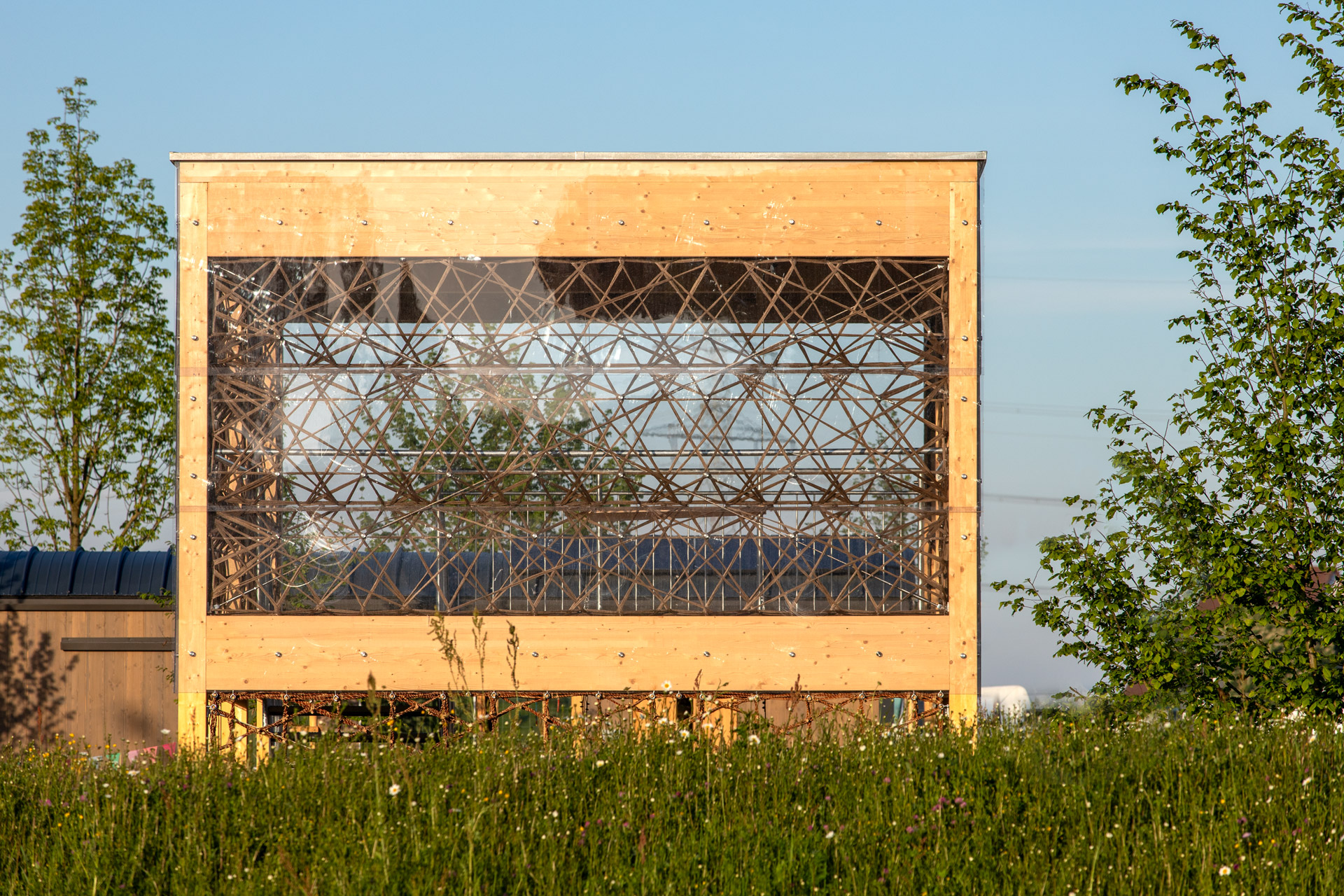
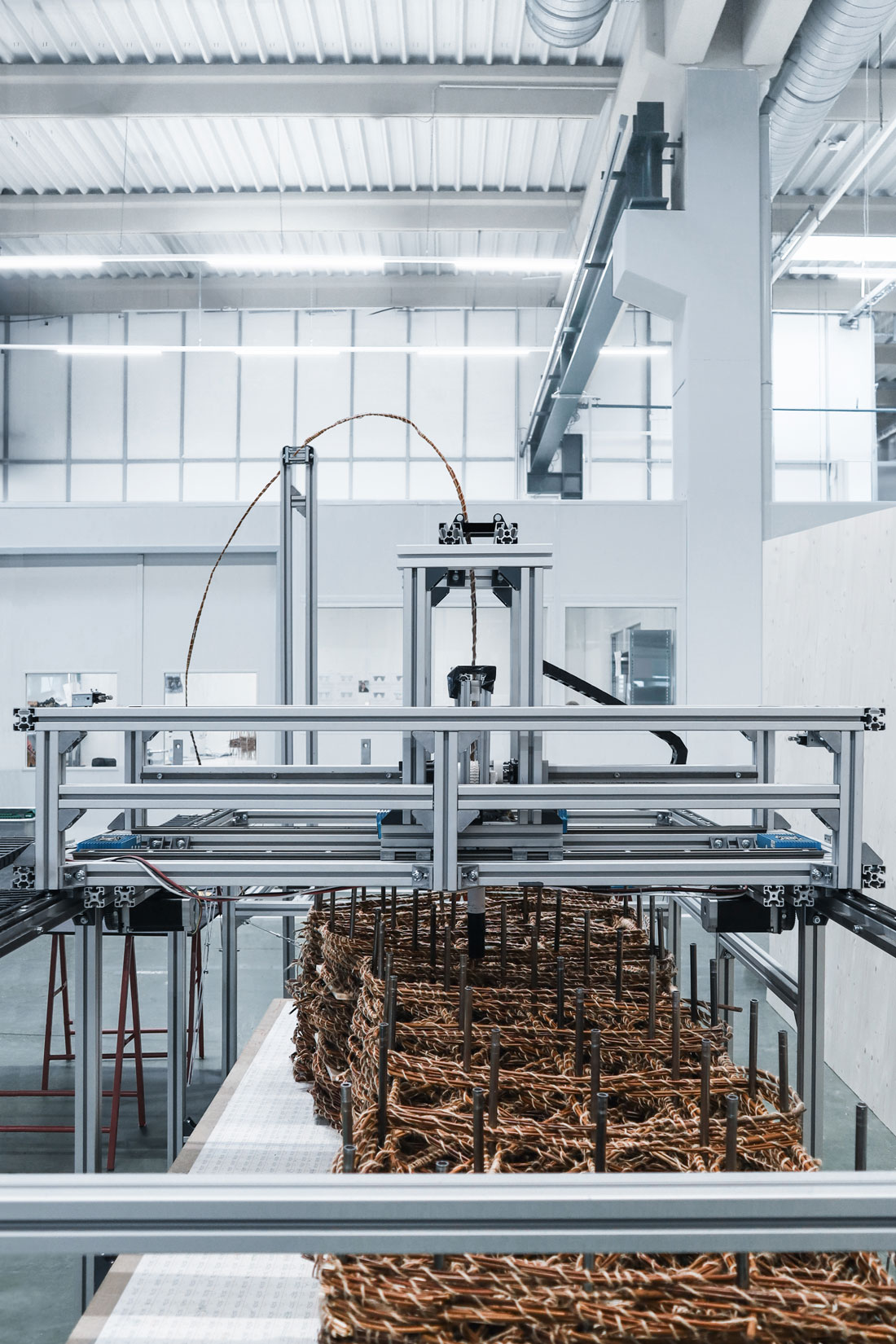
A central aspect of the project is the development of custom digital fabrication tools to enable the controlled production of the slab elements. Within the framework of the project, the team at the Karlsruhe Institute of Technology developed a weaving machine specifically designed to automate the placement of natural fibres. Algorithmic design and automation workflows are used to control fibre layout, material distribution, and fabrication parameters, directly linking digital models with the physical production process. This fabrication-driven methodology embeds material behaviour, construction constraints, and assembly logic into the design process from the outset, enabling the production of reproducible prefabricated elements while minimising manual intervention and material waste.

Research Partners

Professur Digital Design and Fabrication DDF
Prof. Moritz Dörstelmann, Javier Fuentes, Eszter Olah, Mehrdad Zareian, Carolin Feldmann.

Professur Design of Structures (dos)
Prof. Dr.-Ing. Riccardo La Magna, Christina Müller, Michael Kalkbrenner

Professorship Timber Structures and Building Construction + VAKA
Prof. Dr.-Ing. Philipp Dietsch, Christian Bertram

Research group Project and Resource Management of the Built Environment (IIP)
Dr. Rebekka Volk, Simon Steffl (IIP)

Professorship Building Science and Technology (bst)
Prof. Dr.-Ing. Andreas Wagner, Petra Mann

Institute of Concrete Structures and Building Materials (IMB) + MPA
Prof. Dr.-Ing. Frank Dehn, Agemar Manny, Lutz Gerlach.

Professorship of Design and Building Construction
Prof. Ludwig Wappner, Dr. Falk Schneemann

FIBR GMBH
Dr.-Ing. Julian Fial, Zirui Huang, Christian Dierk, Puree Srisuk

STIFTUNG NATURSCHUTZ PFRUNGER-BURGWEILER RIED
Christoph Schulz, Sabine Behr, Lisa Sandner